
Understanding Mold Testing: A Treasure Coast Resident’s Guide
Mold. Just the word can send shivers down your spine, especially when you live in Florida. Our warm, humid climate creates the perfect breeding ground for mold, and the Treasure Coast is no exception. If you suspect mold in your home or business in Indian River or St. Lucie County, mold testing is the first step towards a healthier indoor environment. This guide provides Treasure Coast residents with a comprehensive overview of mold testing, helping you understand when it’s necessary, what to expect, and how to choose the right professionals.
Why Mold Testing Matters in Indian River and St. Lucie Counties
Before diving into the specifics of testing, let’s understand why it’s so important, especially here on the Treasure Coast:
- Health Concerns: Mold exposure can trigger allergic reactions, asthma attacks, and other respiratory problems. Some molds produce mycotoxins, which can be harmful to your health, particularly for sensitive individuals like children, the elderly, and those with pre-existing conditions.
- Property Damage: Mold can damage building materials like drywall, wood, and insulation. Left unchecked, it can compromise the structural integrity of your home or business.
- Indoor Air Quality: Mold growth significantly impacts indoor air quality, creating an unpleasant and unhealthy environment.
- Real Estate Transactions: Mold inspections and testing are often required during real estate transactions to ensure a property is free from mold contamination.
In Vero Beach, Port St. Lucie, and surrounding areas, the combination of humidity, occasional flooding, and aging infrastructure makes mold a common concern. Regular inspections and testing can help you proactively address potential problems.
When is Mold Testing Necessary?
Not every musty smell warrants a full-blown mold test. Here are some situations where mold testing is highly recommended:
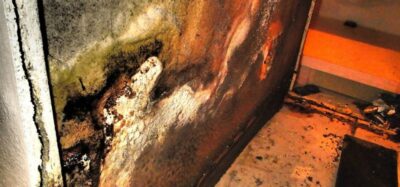
- Visible Mold Growth: If you see visible mold, testing can help identify the type of mold present. While you might think you can just clean it, visible mold can be a sign of a larger hidden problem. Testing helps determine the scope of the contamination.
- Musty Odors: A persistent musty odor, even without visible mold, can indicate hidden mold growth behind walls, under floors, or in HVAC systems.
- Water Damage: Following water damage events like leaks, floods, or plumbing issues, testing is crucial to ensure mold hasn’t started to grow. Even if you clean up the water quickly, mold can develop within 24-48 hours.
- Health Symptoms: If you or your family members are experiencing unexplained health symptoms like coughing, sneezing, headaches, or respiratory problems, mold could be a contributing factor.
- Real Estate Transactions: As a buyer, a mold inspection and testing can protect you from inheriting a mold problem. As a seller, it can provide peace of mind and prevent potential legal issues.
- Post-Remediation Verification: After mold remediation, testing is essential to ensure the mold has been effectively removed and the air quality has returned to normal. This is often referred to as “clearance testing.”
Types of Mold Tests: What to Expect
Several different types of mold tests are available, each with its own purpose and methodology. Here’s a breakdown of the most common types:
Air Sampling
Air sampling involves collecting air samples to identify and quantify the mold spores present in the air. This is one of the most common and reliable methods for detecting hidden mold growth.
- How it works: A specialized air sampling device draws air across a collection media, trapping mold spores. The sample is then sent to a laboratory for analysis.
- What it reveals: Air sampling can determine the type and concentration of mold spores in the air, providing valuable information about the overall air quality.
- Best for: Detecting hidden mold, assessing the effectiveness of mold remediation, and evaluating indoor air quality.
Surface Sampling
Surface sampling involves collecting samples from surfaces where visible mold growth is present.
- How it works: There are several methods for surface sampling, including tape lifts, swabs, and bulk samples. A tape lift involves pressing a piece of clear tape onto the surface and then sending it to a lab. A swab involves wiping the surface with a sterile swab. A bulk sample involves collecting a small piece of the affected material.
- What it reveals: Surface sampling can identify the type of mold growing on the surface and determine the extent of the contamination.
- Best for: Identifying the type of mold present on visible growth, determining the source of mold contamination, and assessing the severity of mold growth.
Bulk Sampling
Bulk sampling involves collecting a physical sample of the affected material, such as drywall, wood, or carpet.
- How it works: A small piece of the affected material is cut out and sent to a laboratory for analysis.
- What it reveals: Bulk sampling can identify the type and concentration of mold within the material, providing a more detailed assessment of the contamination.
- Best for: Identifying mold within building materials, assessing the extent of mold damage, and determining the source of mold contamination.
DIY Mold Test Kits: Proceed with Caution
DIY mold test kits are readily available at hardware stores and online. While they may seem like a convenient and affordable option, they have limitations and are generally not recommended for accurate mold assessment.
- Limited Accuracy: DIY kits often provide inaccurate or misleading results. They may not be able to identify all types of mold or accurately quantify the level of contamination.
- Lack of Expertise: Interpreting the results of DIY kits can be challenging, and you may not have the expertise to identify the source of the mold or develop an effective remediation plan.
- Potential for False Positives/Negatives: DIY kits are prone to false positives and negatives, which can lead to unnecessary remediation or a false sense of security.
For reliable and accurate mold testing, it’s always best to hire a qualified professional.
Choosing a Mold Testing Professional on the Treasure Coast
Selecting the right mold testing professional is crucial to ensure accurate results and a comprehensive assessment. Here are some key factors to consider when choosing a mold testing company in Indian River or St. Lucie County:
- Certifications and Licensing: Look for companies with certifications from reputable organizations such as the IICRC (Institute of Inspection, Cleaning and Restoration Certification) or the ACAC (American Council for Accredited Certification). In Florida, mold assessors and remediators are required to be licensed by the Department of Business and Professional Regulation (DBPR). Verify their license is active and in good standing.
- Experience and Reputation: Choose a company with a proven track record of providing accurate and reliable mold testing services. Read online reviews and ask for references from past clients.
- Proper Equipment and Techniques: Ensure the company uses state-of-the-art equipment and follows industry-standard protocols for mold testing.
- Independent Testing: It’s best to choose a company that focuses solely on mold testing and doesn’t offer remediation services. This ensures impartiality and avoids potential conflicts of interest. A separate, qualified remediation company should handle any necessary mold removal.
- Detailed Reporting: The company should provide a detailed report outlining the testing methodology, findings, and recommendations for remediation.
- Insurance: Make sure the company has adequate insurance coverage to protect you from liability in case of accidents or damages.
What to Expect During a Mold Test
Knowing what to expect during a mold test can help you prepare and ensure a smooth process.
- Initial Consultation: The mold testing professional will typically start with an initial consultation to discuss your concerns and gather information about the history of the property, any water damage events, and any health symptoms you’re experiencing.
- Visual Inspection: The inspector will conduct a thorough visual inspection of the property, looking for visible mold growth, water stains, and other signs of moisture intrusion.
- Sample Collection: Based on the visual inspection and your concerns, the inspector will collect air and/or surface samples as needed.
- Laboratory Analysis: The samples will be sent to an accredited laboratory for analysis. The lab will identify the type and concentration of mold spores present in the samples.
- Report Generation: Once the lab analysis is complete, the mold testing professional will prepare a detailed report outlining the findings, including the type and concentration of mold spores, potential sources of contamination, and recommendations for remediation.
Understanding Your Mold Testing Report
Your mold testing report is a crucial document that provides valuable information about the presence and extent of mold contamination in your property. It’s important to understand the key elements of the report and how to interpret the findings.
- Types of Mold Identified: The report will identify the specific types of mold found in the samples. Some molds are more allergenic or toxic than others.
- Spore Counts: The report will provide the concentration of mold spores in the air samples, typically measured in spores per cubic meter (spores/m³). These counts are compared to acceptable levels to determine if there is a mold problem.
- Comparison to Outdoor Levels: The report will often compare the indoor mold spore counts to outdoor levels. In general, indoor mold spore counts should be lower than or similar to outdoor levels.
- Moisture Readings: The report may include moisture readings taken in various areas of the property. Elevated moisture levels can indicate a potential for mold growth.
- Recommendations: The report will provide recommendations for remediation, including the scope of work, the type of remediation required, and any necessary repairs to address the source of moisture intrusion.
If you have any questions or concerns about your mold testing report, don’t hesitate to contact the mold testing professional for clarification.
Mold Remediation: What Happens After Testing?
If your mold testing report indicates a mold problem, the next step is mold remediation. Mold remediation involves removing the mold and addressing the underlying moisture problem that caused it to grow.
- Hire a Qualified Remediation Company: It’s essential to hire a licensed and experienced mold remediation company to ensure the mold is removed safely and effectively.
- Containment: The remediation company will typically set up containment barriers to prevent the spread of mold spores to other areas of the property.
- Mold Removal: The mold will be removed using specialized equipment and techniques, such as HEPA vacuums and antimicrobial solutions.
- Source of Moisture: Addressing the source of the moisture problem is crucial to prevent future mold growth. This may involve repairing leaks, improving ventilation, or installing a dehumidifier.
- Clearance Testing: After the remediation is complete, clearance testing is performed to ensure the mold has been effectively removed and the air quality has returned to normal.
Preventing Mold Growth on the Treasure Coast: Proactive Measures
Prevention is always better than cure. Here are some proactive measures you can take to prevent mold growth in your Treasure Coast home or business:
- Control Humidity: Maintain indoor humidity levels below 60%. Use dehumidifiers, air conditioners, and exhaust fans to control humidity.
- Fix Leaks Promptly: Repair any leaks in your roof, plumbing, or windows as soon as possible.
- Improve Ventilation: Ensure adequate ventilation in bathrooms, kitchens, and other areas prone to moisture.
- Clean and Dry Wet Areas Immediately: If you experience water damage, clean and dry the affected areas within 24-48 hours.
- Regular Inspections: Conduct regular inspections of your property for signs of water damage, mold growth, and musty odors.
- Proper Drainage: Ensure proper drainage around your property to prevent water from pooling near the foundation.
Conclusion: Protecting Your Health and Property
Mold testing is a crucial step in protecting your health and property on the Treasure Coast. By understanding when to test, what to expect, and how to choose the right professionals, you can ensure a healthy and safe indoor environment for yourself and your family. Don’t hesitate to contact a qualified mold testing company if you suspect mold in your home or business. Early detection and remediation are key to preventing serious health problems and costly property damage.