
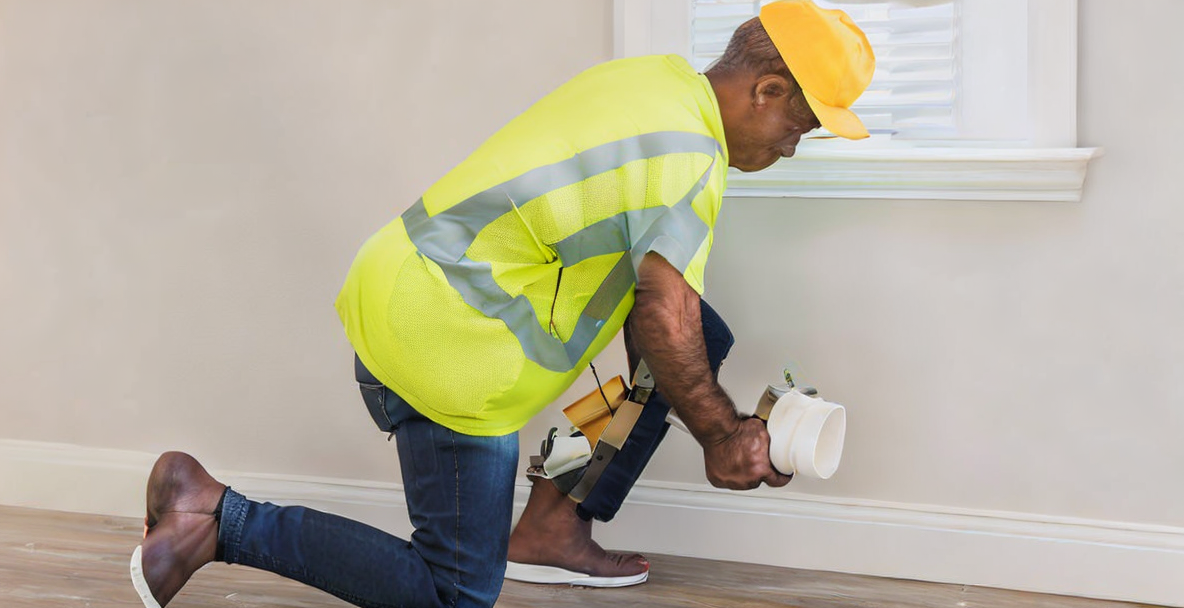
Understanding the Threat of Mold After a Flood
Living on the Treasure Coast, we're no strangers to heavy rains and the potential for flooding. While the immediate water damage is concerning, the hidden threat of mold growth is often overlooked. Mold thrives in damp, dark environments and can quickly colonize within 24-48 hours after a flood. Ignoring it can lead to serious health problems and costly property damage.
In Indian River and St. Lucie Counties, the humid subtropical climate provides the perfect breeding ground for mold, especially after a water intrusion event. The porous materials in our homes, like drywall, carpets, and wood, readily absorb moisture, making them ideal hosts for mold spores.
Immediate Actions After a Flood: Minimizing Mold Risk
The first 24-48 hours after a flood are crucial in preventing widespread mold growth. Here's what you need to do immediately:
- Safety First: Before entering your home, ensure it's structurally safe. Turn off the electricity to prevent shocks. Wear protective gear, including gloves, a mask (N-95 or higher), and eye protection.
- Document the Damage: Take photos and videos of the damage for insurance purposes. Don't throw anything away until your insurance adjuster has seen it.
- Remove Standing Water: Use pumps, wet/dry vacuums, or even buckets to remove standing water as quickly as possible. The longer water sits, the higher the risk of mold.
- Increase Ventilation: Open windows and doors to allow fresh air to circulate. Use fans to help dry out the affected areas. Dehumidifiers are also extremely effective in removing moisture from the air.
- Remove Wet Materials: Promptly remove soaked carpets, rugs, furniture, and other porous materials. These items are difficult to dry thoroughly and are prime breeding grounds for mold. Consider discarding them, especially if they've been contaminated with sewage.
Thorough Cleaning and Drying: Key to Mold Prevention
Once the initial water removal is complete, the real work begins: thorough cleaning and drying. This is critical to prevent mold from taking hold.
Cleaning Hard Surfaces
Clean all hard surfaces (walls, floors, countertops) with a mold-killing solution. A mixture of bleach and water (1 cup of bleach per gallon of water) is effective, but always test it in an inconspicuous area first to ensure it doesn't damage the surface. Important: Never mix bleach with ammonia or other cleaning products, as this can create toxic fumes.
- Scrub the surfaces thoroughly to remove any visible mold or mildew.
- Rinse with clean water.
- Dry the surfaces completely with clean towels or fans.
Drying Effectively
Complete drying is just as important as cleaning. Use fans and dehumidifiers to circulate air and remove moisture from the affected areas. Aim for a humidity level below 60% to inhibit mold growth.
- Drywall: If drywall is wet, remove any baseboards and drill small holes at the bottom to allow moisture to escape. If the drywall is severely damaged, it may need to be replaced.
- Carpets: As mentioned earlier, it's often best to discard wet carpets. If you choose to try and salvage them, have them professionally cleaned and dried.
- Furniture: Move furniture away from walls to allow air to circulate. Wipe down all surfaces with a mold-killing solution and dry thoroughly. Upholstered furniture may require professional cleaning.
When to Call a Professional: Mold Inspection and Remediation
In some cases, post-flood mold cleanup is best left to the professionals. Consider calling a certified mold inspection and remediation company like ORC Services if:
- The flooding was caused by sewage or contaminated water.
- The mold growth is extensive (more than 10 square feet).
- You have health concerns, such as allergies or asthma.
- You're unsure about how to properly clean and dry the affected areas.
A professional mold inspection will identify the type and extent of mold growth, while mold remediation will safely and effectively remove the mold and prevent it from returning. ORC Services provides mold testing, mold inspection, and mold remediation services throughout the Treasure Coast, including Indian River and St. Lucie Counties.
Choosing a Mold Remediation Company
When selecting a mold remediation company, look for:
- Certification: Ensure the company is certified by a reputable organization, such as the IICRC (Institute of Inspection, Cleaning and Restoration Certification).
- Experience: Choose a company with a proven track record of successful mold remediation projects.
- Insurance: Verify that the company has adequate liability insurance to protect you in case of accidents or damage.
- References: Ask for references from previous clients and check online reviews.
Preventing Future Flood Damage and Mold Growth
While you can't always prevent flooding, you can take steps to minimize the risk of future damage and mold growth:
- Improve Drainage: Ensure that your property has proper drainage to divert water away from your foundation.
- Seal Cracks: Seal any cracks in your foundation or walls to prevent water from entering your home.
- Install a Sump Pump: A sump pump can help remove water from your basement or crawl space.
- Raise Appliances: Elevate appliances like washing machines and water heaters to protect them from flood damage.
- Review Insurance Coverage: Make sure you have adequate flood insurance to cover potential losses.
Dealing with post-flood mold can be overwhelming, but by taking prompt action and following these guidelines, you can protect your home and your family's health. Remember, if you're unsure about any aspect of mold cleanup, don't hesitate to contact a professional for assistance. ORC Services is here to help Treasure Coast residents with all their mold-related needs.