
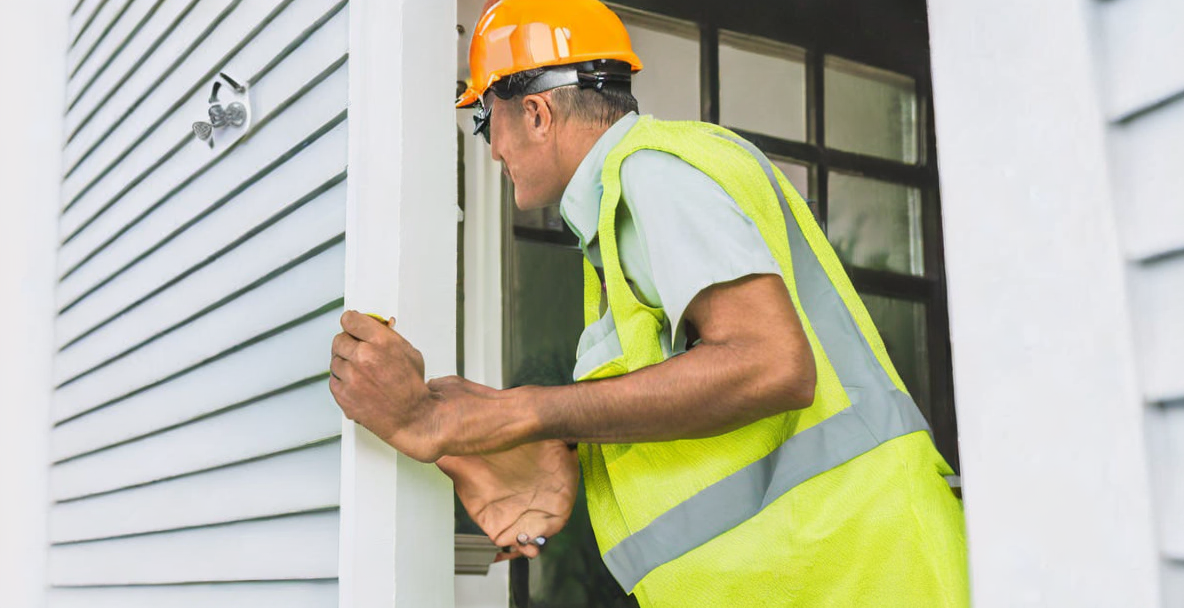
Understanding Mold Remediation in the Florida Climate
Living on the Treasure Coast, we enjoy beautiful weather, but the humidity can be a breeding ground for mold. Mold remediation is the process of safely and effectively removing mold from your home or business and preventing its return. Unlike simple mold removal, remediation addresses the underlying cause of the mold growth, ensuring a long-term solution.
Why is Mold Remediation Important?
Mold isn’t just unsightly; it can pose serious health risks, especially for individuals with allergies, asthma, or compromised immune systems. Mold exposure can lead to a variety of symptoms, including:
- Respiratory problems (coughing, wheezing, shortness of breath)
- Skin irritation (rashes, itching)
- Eye irritation (redness, watery eyes)
- Headaches
- Sore throat
- Sinus congestion
Furthermore, mold can damage your property, weakening structural components and reducing its value. Addressing mold issues promptly is crucial for protecting your health and your investment.
Identifying a Mold Problem in Your Indian River or St. Lucie County Home
Detecting mold early can save you time and money. Here are some common signs of a mold problem:
Visible Mold Growth
The most obvious sign is seeing mold. It can appear in various colors, including black, green, white, or brown, and often has a fuzzy or slimy texture. Check areas prone to moisture, such as:
- Bathrooms (showers, tubs, sinks)
- Kitchens (under sinks, around dishwashers)
- Basements or crawl spaces
- Attics
- Areas around leaky pipes or roofs
- Windowsills
Musty Odor
Even if you can’t see mold, a persistent musty odor can indicate its presence. This smell is often strongest in damp or poorly ventilated areas.
Water Damage
Mold thrives in damp environments. Look for signs of water damage, such as:
- Water stains on walls or ceilings
- Peeling paint or wallpaper
- Buckling or warped flooring
- Condensation on windows or pipes
Health Symptoms
If you experience unexplained health symptoms, especially respiratory issues, it could be related to mold exposure. Consult a doctor to rule out other potential causes.
The Mold Remediation Process: A Step-by-Step Guide
Mold remediation is a multi-step process that should be performed by qualified professionals. Here’s a general overview of what to expect:
1. Mold Inspection and Assessment
A certified mold inspector will thoroughly assess your property to identify the source and extent of the mold growth. This typically involves:
- Visual inspection of affected areas
- Moisture testing to identify areas with high humidity or water damage
- Air and surface sampling to determine the type and concentration of mold spores
- Using specialized equipment like infrared cameras to detect hidden moisture
In Indian River and St. Lucie counties, understanding the prevailing wind patterns and how they might affect moisture intrusion is crucial for a thorough assessment.
2. Containment
To prevent the spread of mold spores during remediation, the affected area will be contained using physical barriers, such as plastic sheeting, and negative air pressure systems. Negative air pressure ensures that air flows into the contained area, preventing spores from escaping.
3. Mold Removal
The mold is then carefully removed using specialized equipment and techniques. This may involve:
- HEPA vacuuming to remove surface mold and spores
- Scrubbing and cleaning affected surfaces with antimicrobial solutions
- Removal and disposal of heavily contaminated materials, such as drywall, carpeting, or insulation
- Using specialized equipment like media blasting for porous surfaces.
Proper disposal of mold-contaminated materials is essential to prevent further contamination. Local regulations may dictate specific disposal procedures.
4. Cleaning and Disinfection
After mold removal, the affected area is thoroughly cleaned and disinfected to kill any remaining mold spores and prevent future growth. This may involve:
- Applying antimicrobial treatments to surfaces
- HEPA vacuuming the entire area
- Cleaning and disinfecting HVAC systems to remove mold spores
5. Drying and Moisture Control
Controlling moisture is crucial for preventing mold from returning. The remediation team will identify and address the source of the moisture problem. This may involve:
- Repairing leaks in roofs, pipes, or windows
- Improving ventilation in bathrooms and kitchens
- Installing dehumidifiers to reduce humidity levels
- Ensuring proper drainage around the foundation of your home
6. Post-Remediation Verification
After the remediation is complete, a third-party mold inspector may conduct a post-remediation verification (PRV) to ensure that the mold has been effectively removed and that the air quality is safe. This typically involves air sampling and visual inspection.
Choosing a Mold Remediation Company on the Treasure Coast
Selecting the right mold remediation company is essential for a successful outcome. Here are some factors to consider:
Licensing and Certification
Ensure that the company is licensed and certified to perform mold remediation in Florida. Look for certifications from reputable organizations such as the Institute of Inspection, Cleaning and Restoration Certification (IICRC) or the American Council for Accredited Certification (ACAC).
Experience and Expertise
Choose a company with a proven track record of successful mold remediation projects. Ask for references and read online reviews to get a sense of their reputation.
Insurance
Verify that the company has adequate insurance coverage, including general liability and workers’ compensation.
Proper Equipment and Techniques
The company should use state-of-the-art equipment and techniques to ensure effective mold removal and prevention.
Clear Communication and Transparency
The company should be able to clearly explain the remediation process, answer your questions, and provide a detailed written estimate. Transparency is key; avoid companies that are vague or unwilling to provide information.
Local Knowledge
A company familiar with the specific challenges of the Treasure Coast climate, such as high humidity and hurricane-prone conditions, will be better equipped to address your mold problem effectively.
Preventing Mold Growth in Your Vero Beach or Port St. Lucie Home
Prevention is always better than cure. Here are some tips for preventing mold growth in your home:
Control Humidity Levels
Maintain indoor humidity levels below 60% using dehumidifiers, air conditioners, or ventilation.
Fix Leaks Promptly
Repair any leaks in roofs, pipes, or windows as soon as possible.
Improve Ventilation
Ensure adequate ventilation in bathrooms, kitchens, and other areas prone to moisture.
Clean Regularly
Clean bathrooms and kitchens regularly to remove mold spores and prevent growth.
Use Mold-Resistant Products
Use mold-resistant paint and building materials in areas prone to moisture.
Inspect and Maintain Your HVAC System
Regularly inspect and maintain your HVAC system to prevent mold growth in the ductwork. Change filters regularly.
Proper Landscaping
Ensure proper drainage around your home’s foundation to prevent water from seeping into the basement or crawl space. Trim bushes and shrubs away from the house to allow for better air circulation.
The Cost of Mold Remediation in Indian River and St. Lucie Counties
The cost of mold remediation can vary depending on several factors, including:
- The size and extent of the mold growth
- The type of mold
- The location of the mold
- The materials affected
- The complexity of the remediation process
Generally, you can expect to pay anywhere from a few hundred dollars for minor mold removal to several thousand dollars for extensive remediation projects. It’s important to get multiple estimates from qualified mold remediation companies to compare pricing and services.
Keep in mind that the cheapest option isn’t always the best. Choose a company that prioritizes quality and thoroughness over price.
Working with Your Insurance Company
Mold remediation may be covered by your homeowner’s insurance policy, depending on the cause of the mold growth. For example, if the mold resulted from a covered peril, such as a burst pipe, your insurance company may cover the cost of remediation. However, if the mold resulted from negligence, such as failure to maintain your property, it may not be covered.
Contact your insurance company to discuss your policy and determine whether mold remediation is covered. Be prepared to provide documentation, such as photos and reports from a mold inspector.
ORC Services: Your Trusted Mold Remediation Partner on the Treasure Coast
At ORC Services, we understand the challenges of dealing with mold in the Florida climate. We offer comprehensive mold testing, mold inspection, and mold remediation services throughout the Treasure Coast, including Indian River and St. Lucie counties. Our team of certified professionals is dedicated to providing safe, effective, and affordable solutions to protect your health and your property.
Contact us today for a free consultation and let us help you breathe easier.