
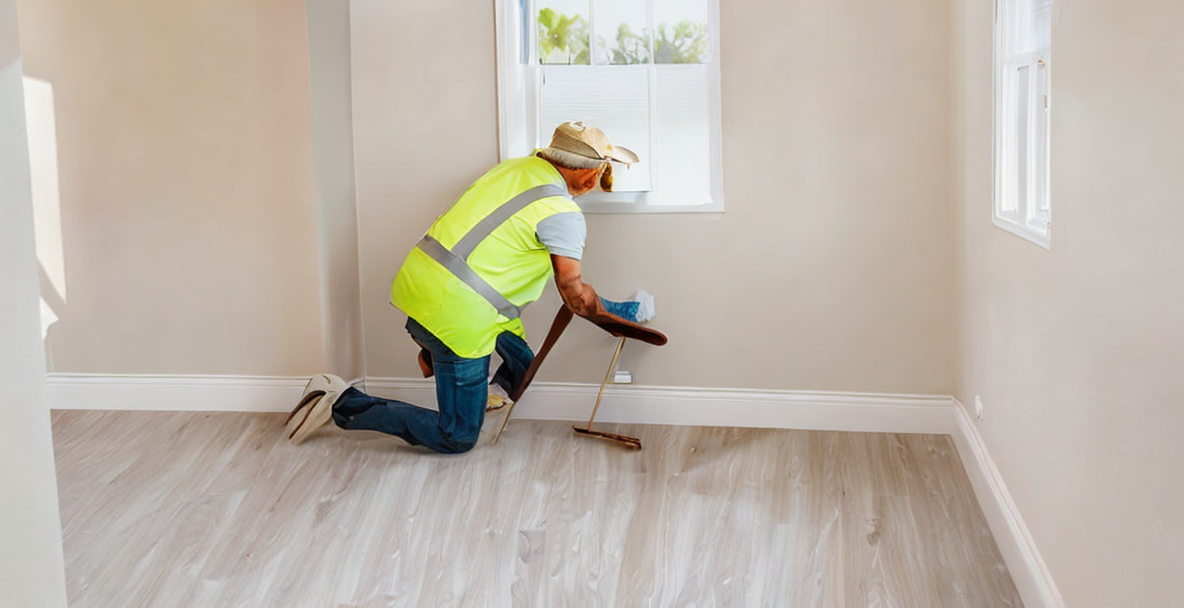
Understanding Mold Testing: Protecting Your Treasure Coast Home
Living in the beautiful Treasure Coast, we enjoy sunshine and coastal breezes. However, our humid climate also creates the perfect environment for mold growth. Mold isn’t just unsightly; it can also pose health risks and damage your property. Mold testing is the first step in identifying and addressing potential mold problems in your home or business. This guide will walk you through the ins and outs of mold testing, specifically tailored for residents of Indian River and St. Lucie Counties.
Why Mold Testing is Important in Florida
Florida’s high humidity and frequent rain create ideal conditions for mold. Hidden leaks, poor ventilation, and even condensation can lead to mold growth. Early detection is crucial for preventing extensive damage and protecting your health.
- Health Concerns: Mold can trigger allergies, asthma, and other respiratory problems. Certain types of mold, like Stachybotrys (black mold), can produce mycotoxins that pose serious health risks.
- Property Damage: Mold can damage building materials like drywall, wood, and insulation, leading to costly repairs.
- Peace of Mind: Mold testing provides assurance that your home or business is safe and healthy.
When Should You Consider Mold Testing?
Knowing when to test for mold is just as important as knowing how. Here are some common scenarios where mold testing is recommended:
- Visible Mold Growth: If you see visible mold, testing can identify the type of mold and determine the extent of the problem. Even if you clean visible mold, testing can confirm if there is more hidden growth.
- Musty Odors: A persistent musty odor, especially in damp areas, can indicate hidden mold growth.
- Water Damage: After a water leak, flood, or hurricane, mold can quickly develop. Testing is crucial to ensure thorough remediation.
- Health Symptoms: If you or your family members experience unexplained allergy symptoms, respiratory problems, or other health issues, mold could be a contributing factor.
- Real Estate Transactions: Buyers often request mold inspections to ensure the property is free from mold before purchasing. Sellers may also conduct testing to address potential issues before listing their property.
- Preventative Measures: Even without obvious signs of mold, proactive testing can identify potential problems early and prevent future growth.
Types of Mold Tests Available
Different types of mold tests are available, each with its own advantages and limitations. Understanding these options will help you choose the right test for your situation.
Surface Sampling
Surface sampling involves collecting samples directly from visible mold growth. Common methods include:
- Tape Lift: A clear tape is pressed onto the surface to collect mold spores and then analyzed under a microscope.
- Swab Test: A sterile swab is used to collect a sample from the surface, which is then cultured in a laboratory to identify the type of mold.
Surface sampling is useful for identifying the type of mold present and determining if visible growth is present.
Air Sampling
Air sampling involves collecting air samples to determine the concentration of mold spores in the air. This is particularly useful for detecting hidden mold growth or assessing the overall air quality. Common methods include:
- Spore Trap: A device that draws air through a collection media, trapping mold spores. The spores are then analyzed under a microscope to identify and count the different types of mold.
Air sampling is useful for assessing the overall air quality and detecting hidden mold growth.
Bulk Sampling
Bulk sampling involves collecting a piece of the affected material (e.g., drywall, wood) for laboratory analysis. This method is useful for determining the extent of mold damage and identifying hidden mold growth within building materials.
DIY Mold Testing vs. Professional Mold Inspection
While DIY mold testing kits are available, professional mold inspections offer several advantages:
DIY Mold Testing Kits
DIY kits typically involve collecting a surface sample or air sample and sending it to a laboratory for analysis. While these kits are convenient and relatively inexpensive, they have limitations:
- Accuracy: DIY kits may not be as accurate as professional testing due to variations in sampling techniques and laboratory analysis.
- Interpretation: Interpreting the results of DIY kits can be challenging, especially without professional expertise.
- Limited Scope: DIY kits may not identify the source of the mold or provide recommendations for remediation.
Professional Mold Inspection
A professional mold inspection is conducted by a trained and certified mold inspector. The inspection typically includes:
- Visual Inspection: A thorough inspection of the property to identify visible mold growth, water damage, and potential sources of moisture.
- Moisture Mapping: Using moisture meters and thermal imaging cameras to detect hidden moisture and potential mold growth behind walls and ceilings.
- Sampling: Collecting surface samples, air samples, or bulk samples for laboratory analysis.
- Report: A detailed report outlining the findings of the inspection, including the type and concentration of mold present, the source of the mold, and recommendations for remediation.
Choosing a professional mold inspector ensures accurate testing, reliable results, and expert recommendations for remediation.
Choosing a Qualified Mold Testing Professional in Indian River and St. Lucie Counties
Selecting a qualified mold testing professional is crucial for accurate results and effective remediation. Here are some factors to consider:
- Certification: Look for professionals certified by reputable organizations such as the IICRC (Institute of Inspection, Cleaning and Restoration Certification) or the ACAC (American Council for Accredited Certification).
- Experience: Choose a professional with extensive experience in mold testing and inspection in the Treasure Coast area.
- Insurance: Ensure the professional carries adequate liability insurance and workers’ compensation insurance.
- References: Ask for references from previous clients and check online reviews.
- Clear Communication: Choose a professional who clearly explains the testing process, answers your questions, and provides a detailed report with actionable recommendations.
- Avoid Conflicts of Interest: Ideally, the mold testing company should not be affiliated with mold remediation companies to avoid potential conflicts of interest. This ensures that the testing is unbiased and that the recommendations are based solely on the findings of the inspection.
What to Expect During a Mold Inspection
Understanding the mold inspection process will help you prepare and ensure a thorough assessment of your property.
- Initial Consultation: The inspector will discuss your concerns, gather information about the property, and explain the inspection process.
- Visual Inspection: The inspector will conduct a thorough visual inspection of the property, looking for visible mold growth, water damage, and potential sources of moisture.
- Moisture Mapping: The inspector will use moisture meters and thermal imaging cameras to detect hidden moisture and potential mold growth behind walls and ceilings.
- Sampling: The inspector will collect surface samples, air samples, or bulk samples as needed to identify the type and concentration of mold present.
- Report: The inspector will provide a detailed report outlining the findings of the inspection, including the type and concentration of mold present, the source of the mold, and recommendations for remediation.
Understanding Your Mold Testing Results
Interpreting mold testing results can be complex. Here are some key terms and concepts to understand:
- Mold Spore Count: The number of mold spores per cubic meter of air (spores/m3).
- Mold Identification: The specific types of mold identified in the samples.
- Comparison to Outdoor Levels: Comparing indoor mold spore counts to outdoor levels to determine if there is an elevated level of mold indoors.
- Actionable Recommendations: The report should provide clear and actionable recommendations for remediation based on the findings of the inspection.
It’s essential to discuss your mold testing results with a qualified professional to understand the implications and develop an appropriate remediation plan.
Mold Remediation: What Happens After Testing?
If mold testing reveals elevated levels of mold, remediation is necessary to remove the mold and prevent future growth. Mold remediation typically involves:
- Containment: Isolating the affected area to prevent the spread of mold spores to other parts of the property.
- Removal: Removing the mold-infested materials, such as drywall, wood, and insulation.
- Cleaning: Cleaning and disinfecting the affected area to kill any remaining mold spores.
- Drying: Drying the area thoroughly to prevent future mold growth.
- Repairs: Repairing any water damage or leaks that contributed to the mold growth.
It’s crucial to hire a qualified mold remediation contractor to ensure that the mold is removed safely and effectively. Look for contractors certified by the IICRC or other reputable organizations.
Preventing Mold Growth in Your Treasure Coast Home
Preventing mold growth is the best way to protect your health and property. Here are some tips for preventing mold in your Treasure Coast home:
- Control Humidity: Maintain indoor humidity levels between 30% and 50% using dehumidifiers and air conditioners.
- Ventilate: Ensure proper ventilation in bathrooms, kitchens, and laundry rooms.
- Fix Leaks: Repair any water leaks promptly to prevent moisture buildup.
- Clean Regularly: Clean bathrooms and kitchens regularly to remove mold-friendly substances.
- Inspect Regularly: Regularly inspect your home for signs of water damage or mold growth.
- Proper Drainage: Ensure proper drainage around your home’s foundation to prevent water from entering the building.
Cost of Mold Testing in Vero Beach, Port St. Lucie, and Surrounding Areas
The cost of mold testing can vary depending on several factors, including:
- Size of the Property: Larger properties typically require more extensive testing, which can increase the cost.
- Type of Testing: Air sampling, surface sampling, and bulk sampling have different costs associated with them.
- Number of Samples: The number of samples collected can affect the cost of testing.
- Location: Prices may vary depending on the location and the company providing the services.
On average, mold testing in the Treasure Coast area can range from $200 to $800 or more. It’s essential to get quotes from multiple professionals and understand what is included in the price.
Frequently Asked Questions About Mold Testing
Here are some frequently asked questions about mold testing:
- How long does mold testing take? The inspection itself usually takes 1-3 hours, depending on the size of the property. Laboratory analysis typically takes 24-72 hours.
- Is mold testing necessary if I can see mold? Yes, testing can identify the type of mold and determine the extent of the problem, including any hidden growth.
- Can I test for mold myself? DIY kits are available, but professional testing offers more accurate results and expert recommendations.
- How do I prepare for a mold inspection? Clean the property as usual, but avoid disturbing any visible mold. Ensure the inspector has access to all areas of the property.
- What if the mold test comes back negative? A negative result indicates that mold levels are within acceptable limits. However, it’s still essential to address any sources of moisture to prevent future growth.
ORC Services: Your Trusted Mold Testing Partner on the Treasure Coast
At ORC Services, we understand the unique challenges of mold growth in the Treasure Coast region. We offer comprehensive mold testing, mold inspection, and mold remediation services tailored to the needs of homeowners and businesses in Indian River and St. Lucie Counties. Our certified professionals use state-of-the-art equipment and techniques to accurately identify mold problems and provide effective solutions.
Contact us today for a free consultation and protect your health and property from the dangers of mold.